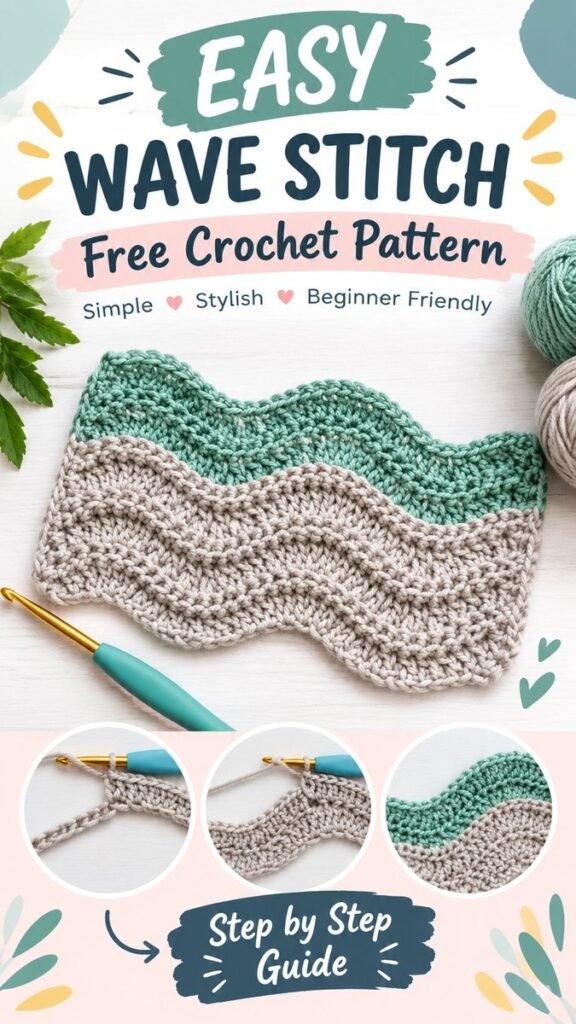
A crochet ripple baby blanket is one of those timeless projects that combines simple stitching with a beautiful finished texture. The gentle wave pattern creates movement across the blanket, while soft shades of sage green and warm neutral yarn give the design a calm, cozy feel. Whether you are preparing a handmade gift for a new baby or looking for a relaxing crochet project, a ripple blanket is an inviting choice that can be adapted to many colors, sizes, and skill levels.
Key Takeaways
- Ripple stitches create an attractive wave effect without requiring a complicated-looking design.
- Soft neutral and pastel shades work especially well for baby blankets.
- Consistent stitch tension helps keep the waves even from row to row.
- Color changes can make the ripple pattern stand out beautifully.
- Simple edging and careful finishing can give a handmade blanket a polished appearance.
Why Crochet Ripple Baby Blankets Are So Appealing
The charm of a crochet ripple baby blanket comes from its combination of texture, rhythm, and visual simplicity. Instead of forming straight rows, the stitches rise and fall to create soft peaks and valleys. This gives the blanket an eye-catching surface while keeping the overall design approachable.
Ripple blankets are also wonderfully versatile. The same basic idea can be used for a small stroller blanket, a cozy crib blanket, a larger nursery throw, or a thoughtful handmade baby shower gift. By changing the yarn colors, stripe width, or finished dimensions, you can create a completely different look while keeping the characteristic wave design.
The design shown here uses a soothing combination of cool green and warm neutral tones. That pairing demonstrates how color can emphasize the movement of the stitches without making the blanket feel overly busy. A similar approach can work beautifully with dusty blue and cream, blush and ivory, soft yellow and beige, or muted lavender and gray.
Understanding the Crochet Ripple Stitch
A crochet ripple stitch is formed by strategically increasing and decreasing stitches across each row. Increases build the peaks of the waves, while decreases create the valleys. Repeating this rhythm produces the distinctive zigzag or gently undulating appearance.
The exact stitch combination can vary from one pattern to another. Some ripple designs use basic stitches, while others incorporate taller stitches or different combinations to create deeper texture. This flexibility makes ripple crochet especially useful for makers who want a recognizable pattern but also want room to experiment.
The Importance of Peaks and Valleys
The most important visual feature of a ripple blanket is the repeated relationship between the peaks and valleys. If the increases and decreases are balanced correctly, the fabric develops a smooth, consistent wave. If the stitch count changes unexpectedly, the ripple may become uneven or gradually lean to one side.
For that reason, counting is particularly useful during the early rows. Once the pattern becomes familiar, the shape of the fabric can often provide visual clues about whether the sequence is progressing correctly.
Why Practice Swatches Help
A small swatch is a simple way to become comfortable with the stitch pattern before committing to an entire baby blanket. It allows you to check the appearance of the waves, evaluate your tension, and see how your chosen yarn and hook work together.
It is also a good opportunity to test color combinations. Place a few yarn shades beside your swatch and look at them together in natural light. Colors that seem similar individually can create surprisingly different effects when crocheted into alternating waves.
Important: Keep an eye on stitch counts at the end of each row. Ripple patterns depend on a balanced sequence of increases and decreases, so catching a missing or extra stitch early can save a great deal of unraveling later.
Choosing Yarn for a Crochet Ripple Baby Blanket
Yarn choice has a major influence on the comfort, drape, and appearance of a baby blanket. For a project intended for regular use, many crocheters prefer yarn that feels soft against the skin and is practical to care for.
A smooth yarn is particularly helpful when learning a ripple stitch because the individual stitches remain easy to see. Very fuzzy or heavily textured yarn can hide the peaks and valleys, making it harder to follow the pattern.
For a baby blanket, consider yarn that is comfortable, durable, and suitable for the care routine you expect. Machine-washable options can be convenient for handmade baby gifts because blankets may need frequent cleaning.
Color Ideas for Soft Ripple Blankets
One of the easiest ways to personalize a crochet ripple baby blanket is through color. The wave texture already provides visual interest, so you do not need a large number of shades to make the finished piece attractive.
- Sage and cream: Calm, modern, and gender-neutral.
- Dusty blue and ivory: Soft and classic for a peaceful nursery look.
- Blush and beige: Warm and delicate without feeling overly bright.
- Mustard and cream: Cheerful while still working with neutral nursery decor.
- Gray and soft white: Minimal and versatile for a modern handmade blanket.
Using one main neutral shade with a single accent color can make the waves especially noticeable. Alternatively, you can create stripes using several closely related colors for a more blended appearance.
How to Plan Your Ripple Blanket
Before starting, decide how large you want the finished blanket to be. A smaller project may be ideal for a stroller or quick handmade gift, while a larger blanket can be designed for a crib or nursery chair.
Remember that the starting chain or foundation must work with the stitch repeat used by your chosen ripple pattern. The required stitch count depends on the specific pattern, so always follow the repeat instructions rather than choosing a random starting number.
Think About the Finished Shape
Ripple blankets naturally have a decorative edge because the waves continue toward the sides. Decide whether you want to preserve that scalloped appearance or add an edging that visually balances the design.
A simple border can provide structure and help the blanket look finished. However, you do not always need a wide or elaborate border. A few neat rounds in a coordinating shade can be enough to frame the ripple pattern.
Plan Your Color Changes
Color changes can be introduced after a set number of rows. Narrow stripes create a more detailed appearance, while wider sections allow the wave texture to remain the main focus.
For a particularly calm design, alternate a muted accent shade with a neutral. The contrast should be strong enough to show the waves but gentle enough to preserve the soft character that works so well for baby crochet.
Tips for Keeping Ripple Rows Even
Maintaining consistent tension is one of the biggest keys to achieving neat waves. If your stitches become significantly tighter or looser from one section to another, the shape of the ripple can change.
Try to hold your hook and yarn comfortably rather than gripping them too tightly. A relaxed grip can make it easier to maintain a steady rhythm throughout a long project.
- Count your stitches regularly, especially during the first several rows.
- Use stitch markers when they help you identify important points in the repeat.
- Keep your working yarn tension as consistent as possible.
- Stop occasionally and lay the project flat to inspect the wave shape.
- Correct mistakes as soon as you notice them instead of waiting until several rows are complete.
Expert Insight
- Lay the blanket flat regularly to check whether the peaks and valleys remain consistent.
- If the fabric begins to look unusually tight or ruffled, review your stitch count and tension.
- Let the stitch pattern create the visual interest rather than adding too many competing details.
Making the Crochet Process More Enjoyable
Ripple crochet has a satisfying rhythm once the stitch sequence becomes familiar. The repeating motion of working toward a peak, moving through the valley, and returning to the next peak can make the project relaxing and enjoyable.
Set up a comfortable place to crochet and keep your yarn positioned so it feeds smoothly. Because blankets can become larger and heavier as you work, changing your sitting position from time to time can make long sessions more comfortable.
It can also help to divide the project into small milestones. Instead of thinking about the entire blanket at once, focus on completing a few rows or one color section. This keeps a large project feeling manageable.
Simple Finishing Ideas for a Polished Look
Once the main body of the blanket is complete, finishing deserves just as much attention as the first row. Weave in loose ends securely and inspect the edges for any areas that need tidying.
A clean border can enhance the shape of a ripple baby blanket without overwhelming the waves. A simple single-color edging is a reliable choice when the blanket already contains multiple shades.
Blocking and Shaping
Depending on the yarn and stitch pattern, gentle blocking can help even out the fabric and improve the overall presentation. Follow the care recommendations appropriate for the yarn you have selected and avoid excessive heat or moisture when it is not suitable.
After finishing, place the blanket flat and allow it to settle into its intended shape. This is also a good time to inspect the ripple pattern and make sure the edges look neat.
Ways to Personalize a Ripple Baby Blanket
The basic ripple design offers plenty of opportunities for creativity. You can personalize a blanket through color, size, texture, and finishing details without losing the recognizable wave effect.
For a modern nursery, try a restrained palette of two or three muted shades. For something more playful, introduce several cheerful colors in evenly spaced stripes. You can also keep the entire blanket one color and let the texture speak for itself.
Another option is to make the waves deeper or softer by choosing a pattern with a different stitch repeat. Comparing a few ripple swatches before beginning the final blanket can help you decide which look best suits your project.
Ideas for Handmade Gifts
A crochet ripple baby blanket can make a thoughtful handmade present because it combines practical use with the personal touch of something made by hand. Consider pairing the blanket with another small crochet item in one of the same colors for a coordinated gift.
For a baby shower, a neutral ripple blanket can be especially useful when the baby’s nursery colors are not yet known. A soft green, cream, beige, or gray palette can complement many different decorating styles.
Common Ripple Crochet Mistakes to Avoid
Even a beginner-friendly ripple design can present a few challenges. The most common issue is losing or gaining stitches somewhere in the repeated sequence. Because the pattern relies on a specific balance, a small error can affect the shape of later rows.
Another common problem is inconsistent tension. If one section is worked tightly and another loosely, the waves may look uneven. This is normal while learning, and practice usually makes the motion much more natural.
Do not be afraid to undo a small section when necessary. Fixing a mistake early is usually easier than trying to disguise a problem after many additional rows have been completed.
Pro Tip: Take a quick photo of your work after completing a few rows. Viewing the project from a little distance can make uneven waves or accidental changes in the pattern easier to notice than when you are looking closely at your stitches.
At a Glance
- Style: Soft, textured, and wave-shaped.
- Best feature: Repeating peaks and valleys create strong visual movement.
- Color approach: Pastels, neutrals, or gentle contrasting stripes all work well.
- Helpful habit: Check stitch counts and tension regularly.
- Finishing idea: Use a simple coordinating border for a clean handmade look.
Conclusion
A crochet ripple baby blanket is a beautiful project for anyone who enjoys combining texture and color in a handmade design. The flowing waves give even a simple palette plenty of character, while the repeating stitch structure provides a satisfying rhythm once you become familiar with it.
Soft sage, cream, beige, and other muted shades can create a peaceful nursery-inspired look, while brighter colors offer an opportunity to make the same ripple concept playful and cheerful. With thoughtful yarn selection, consistent tension, careful stitch counting, and a neat finish, the result can be both practical and visually special.
Whether you are making your first ripple blanket or adding another design to your crochet collection, this style is worth keeping in your project inspiration list. Start with a small swatch, experiment with your favorite colors, and let each row build toward a cozy handmade keepsake.
A beautiful crochet baby blanket does not need a complicated design. Sometimes a simple wave, soft yarn, and carefully chosen colors are all it takes to create something memorable.