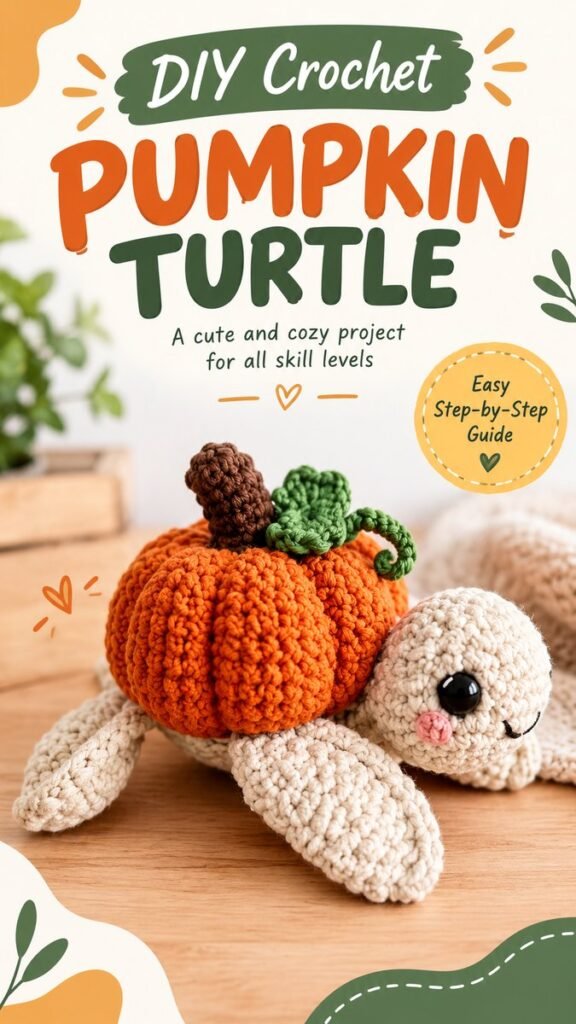
There is something especially charming about handmade crochet animals, and this adorable pumpkin turtle shows just how creative a simple amigurumi project can be. With its soft cream-colored body, textured pumpkin shell, leafy details, and cozy autumn feel, it is a fun example of how beginner crochet techniques can turn yarn into a playful character. If you are searching for crochet animals beginner projects, this style of pattern is a wonderful place to find inspiration for your next handmade creation.
Beginner-friendly crochet animals do not have to be complicated to look impressive. A few basic shapes, thoughtful color choices, and simple details can create a finished piece with plenty of personality. Whether you are learning crochet for the first time or simply want a relaxing project, cute animal designs can help you practice while making something you will actually want to display.
Key Takeaways
- Start with crochet animals built from simple rounded shapes.
- Use soft, easy-to-handle yarn while practicing basic stitches.
- Combine neutral yarn with one or two bright accent colors.
- Texture can make a simple amigurumi design look more detailed.
- Small accessories such as leaves or stems can personalize your project.
- Save beginner crochet ideas together so you always have a project ready.
Why Crochet Animals Are Great Beginner Projects
Crochet animals are an approachable way to become more comfortable with yarn and a crochet hook. Many beginner designs are created from basic forms such as circles, ovals, tubes, and small stuffed pieces. Once these shapes are understood, they can be combined in countless ways to create turtles, bears, bunnies, cats, dogs, birds, and other cute creatures.
A crochet animal also gives you a clear goal while you practice. Instead of making rows simply for the sake of learning, you can see each part gradually become a head, body, leg, shell, ear, or other recognizable feature. That makes the learning process feel more rewarding.
The pumpkin turtle design is particularly appealing because it combines an animal shape with a seasonal decorative theme. The turtle’s body remains soft and neutral, while the pumpkin shell becomes the visual focal point. This creates a playful finished piece without requiring an overly complicated appearance.
Important: When learning crochet animals, focus on consistent tension rather than trying to make every stitch perfect. Even tension helps stuffed pieces keep a neat shape, but small differences are a natural part of learning and can add handmade character.
Understanding the Pumpkin Turtle Design
The pictured project combines two recognizable ideas into one whimsical crochet animal: a turtle and a pumpkin. The turtle has a rounded cream-colored head, soft flippers, and a compact body, while the shell is transformed into a textured orange pumpkin. A brown stem and green crocheted leaves complete the seasonal look.
This combination is useful inspiration for beginner crocheters because it demonstrates how changing one major feature can completely transform a familiar animal. The same basic turtle structure could potentially be adapted with different shell colors, surface details, or decorative elements to create a project for another season or occasion.
The chunky texture of the yarn also contributes to the cozy appearance. A textured stitch can make the pumpkin shell look fuller and more dimensional, while the cream body provides a simple contrast. Together, the materials and colors create a handmade object that feels soft, playful, and suitable for autumn-inspired decor.
The Main Crochet Shapes
For a beginner animal project, it helps to think about the finished creature as a collection of manageable components. The turtle shown here can be visually broken into a few major sections: the head, body, flippers, pumpkin shell, stem, and leaves.
- Head: A rounded stuffed shape creates the friendly face.
- Body: The central form supports the shell and gives the turtle its structure.
- Flippers: Soft elongated pieces add the recognizable turtle silhouette.
- Pumpkin shell: Several rounded sections create a plump pumpkin effect.
- Stem: A small brown detail adds definition to the pumpkin.
- Leaves: Green accents provide a fresh contrast against the orange shell.
Choosing Yarn for Beginner Crochet Animals
Yarn choice can make a noticeable difference when you are learning how to crochet stuffed animals. A yarn that is comfortable to hold and easy to see can make stitches easier to identify. For a beginner project, it is generally helpful to avoid materials that split excessively or make individual stitches difficult to distinguish.
The pumpkin turtle uses a soft-looking, textured yarn that gives the finished animal a plush appearance. You can use this visual idea as inspiration while choosing materials for your own project. Cream, beige, orange, brown, and green form a natural autumn palette, but there is plenty of room to experiment.
For a softer, understated turtle, try shades of ivory, oatmeal, sage, and muted orange. For something more playful, bright orange paired with cream and leafy green can create a cheerful seasonal character. You can also replace the pumpkin colors with pinks, blues, or pastels if you want an animal that works beyond fall.
Keep Your First Color Palette Simple
Using too many colors can make a first crochet project feel visually busy. Two or three main shades are often enough to create contrast. A neutral body, one strong accent color, and a small amount of green or brown can provide plenty of visual interest.
Think about contrast when selecting yarn. The eyes should stand out against the face, the pumpkin shell should be clearly different from the body, and small decorative pieces should remain visible once attached.
Expert Insight
A beginner crochet animal becomes much easier to manage when you treat every component as its own small project. Finish one shape at a time, check its size and firmness, then move on to the next piece. This simple approach can make a larger amigurumi project feel far less overwhelming.
Basic Techniques to Practice First
If you are new to crochet animals, spend some time becoming familiar with the basic techniques commonly used in amigurumi. Many beginner patterns rely on simple stitches worked in rounds, making them an excellent way to develop control and consistency.
- Practice making a slip knot and creating a comfortable starting loop.
- Learn how to hold the hook and yarn without creating excessive tension.
- Practice single crochet until your stitches become consistent.
- Learn how increases change the size and shape of a crocheted piece.
- Practice decreases to create rounded or tapered forms.
- Work small stuffed shapes before attempting a larger animal.
Counting stitches is another important habit. A small difference in stitch count can change the shape of an amigurumi component. Using a stitch marker can help you identify the beginning of each round and make it easier to keep track of your progress.
Do not worry if your first few pieces look slightly uneven. Crochet tension usually becomes more consistent with practice. The goal is to understand how the stitches behave and how changes in stitch count affect the shape.
How to Approach a Beginner Crochet Animal Pattern
Before picking up your hook, look through the entire pattern from beginning to end. Knowing how many pieces you will make and how they eventually connect can help you organize your work. Gather the yarn, hook, stuffing, safety eyes if appropriate, a needle, scissors, stitch markers, and any other required supplies before beginning.
It can also help to make a small checklist. Instead of trying to remember every instruction, mark off each completed section. This is especially useful when an animal contains several similar pieces such as flippers or legs.
Work Slowly and Check the Shape
As you crochet, pause occasionally to look at the shape of your piece. If something appears much tighter, looser, larger, or smaller than expected, checking your stitch count early can prevent frustration later.
Stuffing is another area where patience helps. Add small amounts gradually instead of filling the piece all at once. Gentle, even stuffing can help maintain a rounded form without stretching the stitches too much.
Pay Attention to Placement
Facial details can dramatically change the personality of a crochet animal. Even a tiny shift in eye placement can make a character appear more playful, surprised, sleepy, or curious. Before permanently securing facial details, take a moment to check their position from several angles.
The same principle applies to the turtle’s flippers and pumpkin decorations. Balanced placement helps the finished project look polished, while intentionally uneven placement can create a more whimsical handmade character.
Easy Ways to Personalize a Crochet Pumpkin Turtle
One of the most enjoyable parts of crochet animals is customization. Once you understand the basic structure, you can change colors, textures, facial expressions, and decorative elements to create a version that feels completely yours.
Try Different Pumpkin Colors
Orange creates the classic pumpkin look, but you can experiment with cream, mustard, dusty pink, rust, or even deep green. A monochromatic design can also look beautiful when several shades of the same color are combined.
Change the Leaf Details
The small green leaves and curled vine add a decorative finishing touch. You can make them larger, smaller, darker, or lighter depending on the look you want. A simple leaf shape can also be replaced with another seasonal embellishment.
Create a Different Personality
Facial details offer another easy way to personalize a crochet animal. Experiment with eye size or expression while keeping safety and construction requirements in mind. Small embroidered features can also create a different look from plastic safety eyes.
Pro Tip: Take a quick photo of your finished crochet animal from the front and side. Photos can make it easier to spot uneven proportions or misplaced details that are difficult to notice while holding the project in your hands.
Fun Ideas for Displaying Handmade Crochet Animals
A small crochet animal can work as more than a crafting exercise. A pumpkin turtle has a natural connection to cozy autumn decorating, making it a cute addition to a shelf, craft corner, desk, or seasonal display. Its soft texture can also add a handmade touch to an otherwise simple arrangement.
Try placing your finished piece beside other handmade crochet animals to create a small collection. You could build a seasonal display featuring pumpkins, leaves, woodland-inspired creatures, or other crocheted characters.
These projects can also become thoughtful handmade gifts. A small animal can be customized around a recipient’s favorite colors or interests, making the finished piece feel personal without requiring an elaborate design.
More Beginner Crochet Animal Ideas to Explore
Once you are comfortable with a simple animal pattern, there are many directions to explore. Look for designs that reuse familiar shapes so that each new project builds naturally on the skills you already have.
- Simple crochet turtles with traditional shell colors.
- Small crochet pumpkins for seasonal decorations.
- Beginner crochet bears with rounded ears and bodies.
- Easy crochet bunnies using basic oval shapes.
- Mini crochet cats and dogs for small handmade gifts.
- Simple amigurumi creatures for practicing stuffed construction.
Keeping a collection of beginner crochet animal ideas can also help you stay motivated. When one project is finished, you already have another design ready to try. Over time, repeating familiar techniques while adding one new skill at a time can make crochet feel much more natural.
Quick Points
- Choose simple shapes for your first crochet animals.
- Keep your yarn palette coordinated and easy to manage.
- Count stitches carefully and use markers when helpful.
- Add personality through colors, facial details, and accessories.
- Save inspiring designs so your next crochet project is easy to choose.
Conclusion: Start Your Next Crochet Animal
Cute crochet animals are a wonderful way to turn basic crochet skills into something imaginative and useful. The pumpkin turtle offers especially fun inspiration because it combines a recognizable animal with a cozy seasonal design. Its rounded body, textured pumpkin shell, soft neutral yarn, and small botanical details show how a few thoughtful elements can create a memorable handmade character.
If you are searching for crochet animals beginner projects, start with designs that use familiar stitches and simple shapes. Work patiently, keep your tension comfortable, and give yourself room to learn. As your confidence grows, experiment with new colors, textures, expressions, and seasonal themes.
Most importantly, enjoy the process. Handmade crochet does not need to be perfectly uniform to be beautiful. Every stitch adds a little more personality to the finished piece, and that handmade quality is part of what makes crochet animals so special. Pick a cozy yarn, grab your hook, and let your next small crochet creature be the beginning of a whole collection.