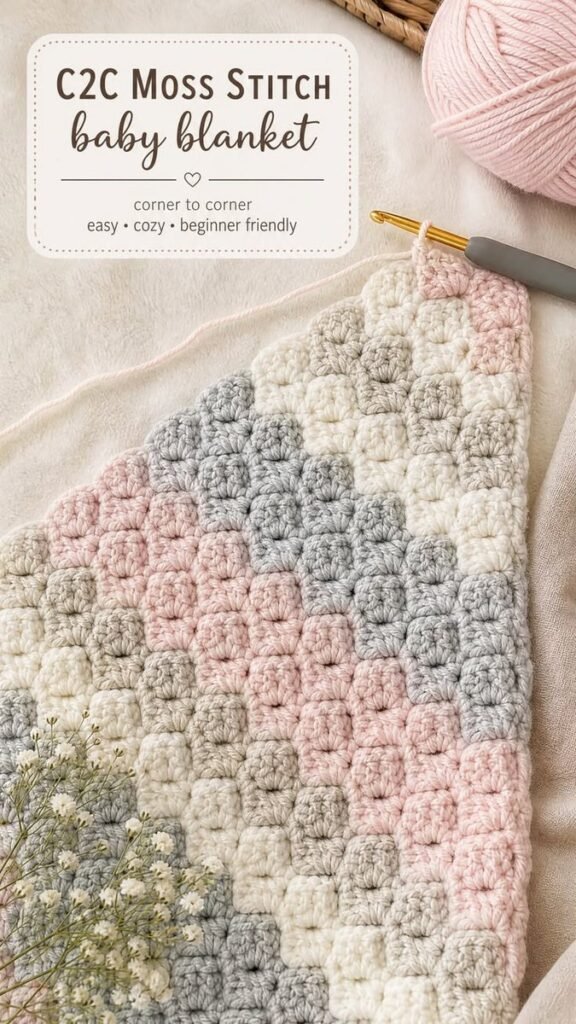
There is something wonderfully comforting about a handmade baby blanket. Soft yarn, gentle colors, and simple crochet stitches can turn an everyday project into a treasured keepsake. A baby blanket crochet pattern is also a rewarding project because it can be customized for a nursery, baby shower gift, new arrival, or cozy everyday use. Whether you are learning to crochet or already enjoy creating blankets, choosing the right stitch, yarn, size, and color combination can make the finished piece both beautiful and practical.
Key Takeaways
- Choose soft, washable yarn designed for baby projects.
- Simple crochet stitches can create an elegant textured blanket.
- Use gentle colors to create a calm and versatile nursery accessory.
- Adjust the blanket size easily by changing the starting chain and rows.
- Keep the finished design comfortable, practical, and easy to care for.
The appeal of a crochet baby blanket goes beyond its appearance. Handmade blankets offer an opportunity to slow down, practice a favorite craft, and create something with a personal touch. A thoughtful combination of yarn and stitches can produce a blanket that looks polished without requiring an overly complicated pattern. That makes this type of project especially appealing when you want a relaxing crochet activity with a meaningful result.
Important: For a baby blanket, softness and easy care are just as important as appearance. Select a yarn that feels gentle against delicate skin and can be washed according to the manufacturer’s care instructions.
Choosing the Right Baby Blanket Crochet Pattern
The best baby blanket crochet pattern is one that matches your skill level, preferred texture, and the amount of time you want to spend on the project. A beginner may enjoy a repeating stitch that uses only basic crochet techniques, while a more experienced maker might prefer a decorative stitch pattern with changing textures or colors.
When browsing crochet baby blanket ideas, look for designs that have a consistent rhythm. Repeating rows can make the project easier to follow and give the blanket a cohesive appearance. Classic stitches such as single crochet, half double crochet, and double crochet are excellent starting points. More textured patterns can be introduced once you feel comfortable maintaining even tension.
Simple Stitches for Beginners
If you are new to crochet, there is no need to begin with an elaborate stitch combination. A straightforward repeating stitch can create a beautiful finished blanket while giving you valuable practice with tension and row consistency.
- Single crochet: Creates a firm, dense fabric with a neat appearance.
- Half double crochet: Offers a balanced texture and works up faster than single crochet.
- Double crochet: Produces a lighter fabric and allows the blanket to grow more quickly.
- Granny-style stitches: Create an inviting handmade look and work particularly well with color changes.
A simple stitch does not mean a boring design. The beauty can come from the yarn color, border, spacing, and overall presentation. In many cases, a clean stitch pattern allows the softness and color of the yarn to become the main visual feature.
How to Choose Yarn for a Crochet Baby Blanket
Yarn selection is one of the most important decisions in any baby blanket project. The yarn affects softness, warmth, stitch definition, drape, durability, and washing requirements. For a blanket intended for regular use, practicality matters just as much as color.
Look for yarn that feels comfortable and smooth rather than rough or scratchy. Many crocheters choose fibers that are easy to wash because baby blankets can require frequent cleaning. Always check the yarn label for recommended washing instructions before beginning the project.
What to Look for in Baby-Friendly Yarn
- A soft texture that feels comfortable against sensitive skin.
- A weight appropriate for the desired warmth and drape.
- Good stitch definition for the selected crochet pattern.
- Care instructions that fit the recipient’s lifestyle.
- A color that complements the nursery or gift theme.
Neutral shades such as cream, beige, soft gray, oatmeal, and muted pastels are especially versatile. However, brighter colors can also create a cheerful blanket when used thoughtfully. If the goal is a timeless design, a restrained palette with one or two complementary shades can look especially polished.
Pro Tip: If you are unsure about a color combination, crochet a small swatch first. A few rows can reveal how the colors interact with the stitch texture before you commit to the entire blanket.
Planning the Size of Your Crochet Baby Blanket
Baby blankets can be made in many different sizes, so it helps to decide how the blanket will be used before you begin. A smaller design can be convenient for cuddling or supervised use, while a larger blanket can work well as a nursery accessory or keepsake.
The advantage of crocheting your own blanket is that the dimensions can be adjusted. You can add or remove starting chains to change the width and crochet additional rows to increase the length. The exact stitch multiple should always be considered when working with a repeating pattern.
Create a Gauge Swatch First
A gauge swatch is useful even when the project is intended to be flexible. It gives you a chance to see how your yarn and hook work together and helps estimate the finished size. Your personal tension can make the same pattern turn out differently from another crocheter’s version.
- Choose the yarn and crochet hook you plan to use.
- Work a small sample using the main stitch pattern.
- Measure the width and height of the sample.
- Adjust your hook size if the fabric feels too tight or too loose.
- Use the swatch to estimate how many stitches and rows you need.
Even if you are not following a strict size chart, the swatch helps you understand the fabric before committing to a large project. This can save time and help you achieve the softness and drape you want.
Creating a Beautiful Color Palette
Color can completely change the personality of a crochet baby blanket. A monochromatic palette creates a calm and modern appearance, while several coordinated shades can produce a playful and cheerful result. The key is choosing colors that work together rather than competing for attention.
Soft pastels are a classic choice for baby crochet projects, but modern nursery styles also pair beautifully with earthy neutrals and understated tones. Cream combined with muted green, warm beige with dusty blue, or soft gray with blush can create a sophisticated handmade look.
If you prefer a more colorful blanket, consider repeating the same sequence throughout the design. Consistency helps the colors feel intentional and makes the finished blanket look professionally planned.
Why This Matters
A well-planned crochet blanket is easier to enjoy from the first stitch to the final border.
- Consistent tension keeps the blanket shape even.
- A coordinated color palette creates visual balance.
- Washable yarn makes the finished piece easier to maintain.
Adding a Simple Crochet Border
A border can give a baby blanket a finished, intentional appearance. It can also visually frame a simple stitch pattern without overwhelming the design. For a minimalist blanket, one or two rounds of a basic border may be enough.
When choosing a border, consider the texture of the main blanket. If the center has a highly textured stitch, a simple border can provide contrast. If the blanket uses a very basic stitch, a slightly more decorative edging can add interest.
Easy Border Ideas
- Single crochet border: Clean, simple, and suitable for nearly any blanket.
- Half double crochet border: Adds subtle texture while maintaining a neat edge.
- Shell edging: Creates a decorative finish for a more traditional handmade look.
- Contrasting border: Uses a second color to frame the blanket and highlight its shape.
Before adding a border, check the edges carefully. If the sides have become uneven, a border can sometimes help improve the appearance, but it is best to maintain consistent stitch placement throughout the project whenever possible.
Making the Crochet Process More Enjoyable
A baby blanket is a larger crochet project, so creating a comfortable routine can make the process much more enjoyable. Instead of focusing only on finishing quickly, treat each section as an opportunity to practice consistent tension and enjoy the rhythm of the stitches.
Keep your yarn organized and take occasional breaks. If you notice your hands becoming tired, pause rather than continuing with uncomfortable tension. Regular breaks can also make it easier to spot mistakes before they become several rows deep.
Counting stitches at the end of each row is another useful habit. It may seem repetitive, but it can prevent gradual increases or decreases that cause the blanket to become wider or narrower over time.
Important: A consistent stitch count is one of the easiest ways to keep a crochet baby blanket looking neat. If the edges begin drifting, stop and check the previous rows before continuing.
Finishing and Caring for a Handmade Baby Blanket
Once the final row is complete, take time to finish the blanket carefully. Secure loose ends neatly so they do not interfere with the finished design. A clean finish can make a simple crochet project look much more polished.
Depending on the yarn and stitch pattern, blocking may help straighten the edges and improve the overall shape. Always follow the fiber manufacturer’s recommendations when deciding whether and how to block the blanket.
Basic Care Tips
- Follow the washing instructions listed on the yarn label.
- Avoid harsh care methods that could damage delicate fibers.
- Allow the blanket to dry according to the fiber’s recommended method.
- Store it clean and completely dry when it is not being used.
Good care can help preserve the blanket’s softness, shape, and appearance. Since handmade baby blankets often become keepsakes, gentle maintenance can also help them remain beautiful for years.
A Thoughtful Handmade Gift for New Parents
A crochet baby blanket can make a meaningful handmade gift because it combines usefulness with personal effort. Rather than choosing a complicated design simply because it looks impressive, consider creating something comfortable, practical, and easy to care for.
A neutral color palette can make the blanket versatile, while a carefully selected accent color can give it personality. You can also coordinate the yarn colors with a nursery theme or choose shades that reflect the recipient’s preferences when those details are known.
For a baby shower or new baby gift, presentation can be simple. Fold the finished blanket neatly and pair it with a handwritten note. The handmade nature of the gift is often what makes it memorable.
Common Mistakes to Avoid
Even an easy crochet baby blanket can become frustrating when small issues are left unchecked. Fortunately, most common problems are easy to prevent with a little planning.
- Skipping the swatch: A quick sample can help you understand the fabric and estimate the finished size.
- Inconsistent tension: Try to hold the yarn and hook comfortably rather than crocheting too tightly.
- Ignoring stitch counts: Check your stitches regularly to keep the edges straight.
- Choosing appearance over practicality: A beautiful yarn is not always the best option for frequent washing.
- Making the design unnecessarily complicated: Simple stitches can create stunning blankets when color and texture are well balanced.
Easy Ways to Personalize Your Crochet Blanket
One of the best parts of making a baby blanket yourself is the freedom to personalize nearly every detail. You can change the color palette, adjust the size, add stripes, experiment with texture, or finish the edges with a different border.
If you are making the blanket for a particular baby, consider incorporating colors that feel meaningful without making the design overly complicated. Even a small color change can make a familiar crochet pattern feel completely unique.
You can also experiment with alternating rows. For example, several rows of one shade followed by a smaller section in a complementary color can create visual rhythm. Another option is to use a single yarn color and let the stitch texture become the main feature.
Quick Points
- Start with a soft, practical yarn.
- Choose a stitch pattern that matches your experience level.
- Make a gauge swatch before beginning the full blanket.
- Keep colors coordinated and easy on the eyes.
- Finish with a neat border and secure all loose ends.
Conclusion
A baby blanket crochet pattern is a wonderful project for anyone who enjoys creating something useful, beautiful, and personal. With soft yarn, a comfortable stitch pattern, a thoughtfully chosen color palette, and a neat finishing border, even a simple design can become a memorable handmade piece.
The most important thing is to choose a project that feels enjoyable rather than overwhelming. Start with a stitch you understand, check your tension as you go, and make practical choices about yarn and care. Once the basics are in place, you can personalize the blanket with colors, textures, borders, and sizing to create a design that feels completely your own.
Whether you are making a first crochet baby blanket or adding another handmade project to your collection, the finished result can bring warmth and comfort while showcasing the care behind every stitch. Pick up your hook, choose a soft yarn, and enjoy watching your blanket grow row by row.
Tags
Baby Blanket Crochet Crochet Baby Blanket Baby Blanket Pattern Crochet Patterns Beginner Crochet Baby Crochet Ideas Handmade Baby Gifts Crochet Blanket Ideas