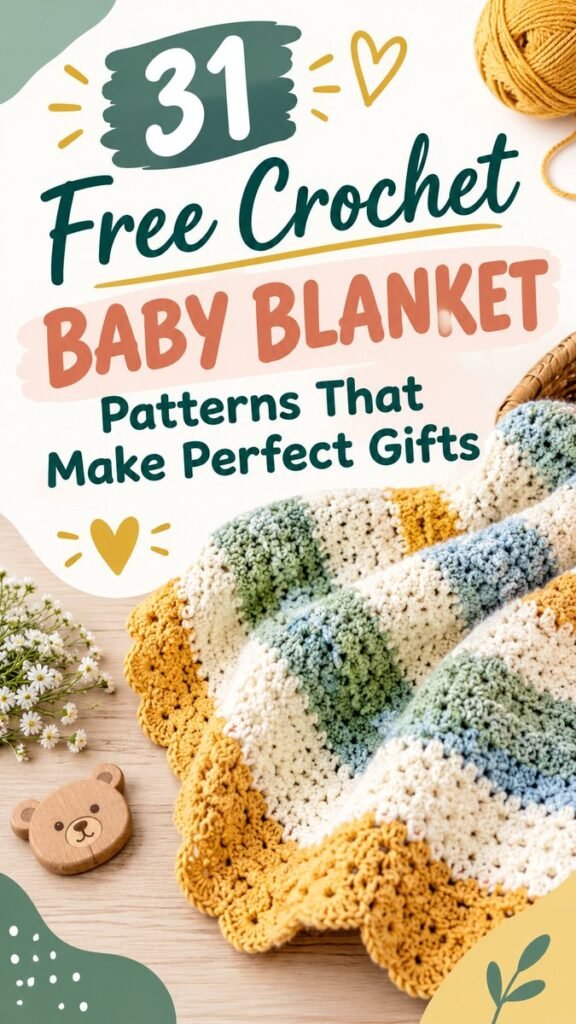
There is something especially comforting about a handmade baby blanket. Soft yarn, simple crochet stitches, and calming neutral shades can turn an everyday nursery essential into a thoughtful keepsake. Neutral baby blanket crochet projects are also wonderfully versatile, making them suitable for a variety of nursery styles and perfect when you want to create a handmade gift without relying on bright or highly specific colors.
From creamy ivory and soft beige to muted sage, dusty blue, warm mustard, and earthy brown, neutral crochet blankets can combine subtle colors with interesting textures to create a cozy finished piece. Whether you are preparing a baby shower gift, welcoming a new arrival, or simply looking for your next crochet project, these ideas offer plenty of inspiration.
Key Takeaways
- Neutral colors create a timeless look that works with many nursery styles.
- Simple crochet textures can make a blanket look detailed without complicated colorwork.
- Soft, practical yarn is an important choice for a baby blanket.
- Striped and geometric designs offer plenty of visual interest while remaining versatile.
- A handmade crochet blanket can become both a useful gift and a meaningful keepsake.
- Thoughtful sizing and easy-care materials make a finished blanket more practical.
Why Neutral Baby Blanket Crochet Is So Popular
Neutral baby blankets have a naturally timeless quality. Instead of depending on a particular nursery theme, they use soft, understated shades that can complement almost any room. This makes a neutral crochet baby blanket a particularly appealing choice when you do not know the parents’ preferred color palette or want to make something that can remain useful as a child grows.
The appeal also comes from texture. Crochet naturally creates raised stitches, woven-looking surfaces, borders, stripes, and repeating patterns. Even when the colors are subtle, these details can give a blanket plenty of character.
The best neutral crochet blankets balance simplicity with texture. A restrained color palette allows the stitches, stripes, edging, and handmade character to become the visual focus.
Another advantage is flexibility. A cream and sage blanket can feel fresh and natural, while beige and brown can create a warmer, earthy appearance. Soft blue can introduce a gentle accent without overwhelming the design, and mustard or muted golden shades can add just enough warmth to make a simple pattern feel distinctive.
Choosing a Color Palette for a Neutral Crochet Baby Blanket
Color selection can completely change the personality of a crochet blanket. Neutral does not have to mean plain white or beige. Instead, think of neutral crochet as a collection of soft, balanced shades that work comfortably together.
Cream and Ivory
Cream and ivory are classic choices for baby blankets. They create a soft, clean appearance and pair beautifully with almost any accent color. An ivory base with subtle sage or dusty blue stripes can feel calm and modern, while cream combined with warm brown creates a cozy, natural look.
Sage and Muted Green
Sage green is a popular neutral-adjacent shade because it adds color while maintaining a peaceful, understated appearance. It works especially well with cream, oatmeal, beige, and soft blue. A few sage sections can provide definition without making the blanket feel overly colorful.
Dusty Blue
Muted blue tones can add a cool, soothing accent to an otherwise warm palette. Try combining dusty blue with ivory and a small amount of beige or gray. The result can feel gentle and sophisticated without being overly themed.
Warm Brown and Mustard
Earthy brown and muted mustard bring warmth to neutral crochet designs. These shades can be particularly attractive when used as borders, narrow stripes, or small repeating sections. Keeping the brighter shade limited helps maintain the soft overall appearance.
Crochet Stitch Ideas for Baby Blankets
You do not need an extremely complicated stitch pattern to create a beautiful crochet baby blanket. Texture, repetition, and thoughtful color changes can be enough to make a design look polished.
- Simple textured stitches: Repeating textured stitches create a cozy surface and work beautifully with solid colors.
- Classic stripes: Alternating two or three neutral shades is an easy way to add visual rhythm.
- Geometric patterns: Blocks, bands, and repeating shapes can give a modern handmade blanket a distinctive look.
- Ribbed textures: Ribbing adds dimension and can create a wonderfully tactile finish.
- Simple borders: A contrasting or coordinating border can frame the entire blanket and make the design look complete.
When selecting a pattern, consider how the stitch will feel as well as how it looks. Some highly textured stitches can create a thicker fabric, while simpler stitches may produce a lighter, more flexible blanket. For a baby project, comfort and practicality should always be considered alongside appearance.
Expert Insight
A neutral palette gives you more freedom to experiment with texture. If you want the blanket to look interesting without becoming visually busy, use a small number of coordinating shades and let the stitch pattern provide the detail.
How to Choose Yarn for a Crochet Baby Blanket
Yarn choice is one of the most important decisions when making a baby blanket. The finished project should feel comfortable, practical, and pleasant to handle. Look for yarn that is soft enough for delicate use and suitable for the care routine the recipient is likely to need.
Washability is particularly useful for baby blankets because they can require frequent cleaning. Before purchasing several skeins, check the yarn label for washing instructions, fiber information, recommended hook size, and gauge guidance.
It is also worth considering how the yarn behaves while you crochet. A smooth yarn can make stitches easier to see, while a highly textured yarn may hide intricate stitch details. For beginners, a manageable yarn with clear stitch definition can make the project much easier to work on.
Before starting a full baby blanket, make a small swatch. It helps you see how the colors work together, how the stitches feel, and whether the fabric has the drape you want.
Creating a Beautiful Neutral Stripe Pattern
Striped crochet baby blankets are an excellent place to start if you want a design that looks intentional without requiring complicated colorwork. The key is choosing a repeat that feels balanced.
One approach is to use a dominant cream or ivory shade throughout the blanket, then introduce two muted accent colors. For example, cream can serve as the main color while sage and dusty blue appear in alternating bands. Another option is to use several earthy shades in similar proportions for a more rustic appearance.
- Choose one main neutral shade for the foundation.
- Select two or three coordinating accent colors.
- Decide on a repeating stripe width before beginning.
- Keep color changes consistent for a polished appearance.
- Finish with a border that ties the palette together.
For a more modern result, consider uneven stripe widths rather than making every section identical. A wide cream section followed by narrow sage and blue stripes can create subtle visual movement while keeping the overall design calm.
Making a Crochet Baby Blanket Feel Gift-Worthy
A handmade blanket becomes even more special when attention is given to the finishing details. A clean border can make the edges look polished and help frame the crochet pattern. You can keep the border simple or use a coordinating shade to create a subtle contrast.
Consider the recipient when choosing the final combination of colors. If the blanket is intended as a baby shower gift, a flexible neutral palette can be a safe and stylish option. If you already know the nursery colors, select one or two shades that complement them rather than trying to match every detail.
Presentation matters too. A neatly folded crochet blanket can be wrapped with a simple ribbon or placed in a reusable basket. Even a straightforward blanket can feel remarkably thoughtful when it is presented with care.
Practical Tips for Crocheting a Baby Blanket
Large crochet projects can take time, so a little planning before you begin can make the process more enjoyable. Decide on your approximate finished size, choose your yarn quantity, and make a gauge swatch when the pattern recommends one.
- Keep your tension consistent to help maintain an even fabric.
- Count stitches regularly, especially when working a repeating pattern.
- Weave in ends securely as you go or reserve time for finishing at the end.
- Check the blanket periodically to make sure its shape remains even.
- Follow the yarn manufacturer’s care recommendations when washing the finished piece.
If you are new to crochet, choose a pattern with a repeating stitch sequence. Repetition makes it easier to develop rhythm and identify mistakes. It also lets you focus on learning the basic technique without constantly referring to complicated instructions.
Ideas for Personalizing Your Crochet Blanket
Neutral designs are easy to personalize because the understated base leaves room for small creative details. You could introduce a different border color, alternate the stripe arrangement, or change the proportions of the neutral shades.
Texture is another simple way to make the blanket unique. Combining smooth rows with raised stitches can create subtle contrast without adding lots of colors. A carefully chosen edging can also give the blanket a more finished appearance.
If the blanket is intended to become a keepsake, consider choosing a classic design rather than following a very short-lived trend. Soft neutrals, simple stripes, and timeless crochet textures can remain attractive for years.
Why Handmade Baby Blankets Make Meaningful Gifts
A crochet baby blanket carries a personal quality that mass-produced items often cannot replicate. The time spent choosing yarn, working each row, correcting mistakes, and finishing the edges becomes part of the story behind the gift.
It is also a practical present. A well-made blanket can be used for cozy moments at home, nursery decoration, or as an extra layer when appropriate. A neutral color scheme makes it easy to incorporate into different spaces.
Most importantly, handmade gifts can feel intentional. You are not simply choosing an item from a shelf. You are creating something specifically for a new chapter in someone’s life.
At a Glance
- Best palette: Cream, ivory, beige, sage, dusty blue, brown, or muted mustard.
- Best design approach: Simple stitches, balanced stripes, and subtle texture.
- Best yarn consideration: Softness, durability, washability, and comfortable stitch definition.
- Best gift feature: A timeless design that works with many nursery styles.
- Best finishing touch: A neat coordinating border and carefully woven ends.
Conclusion: Create a Cozy Neutral Crochet Baby Blanket
Neutral baby blanket crochet projects are a beautiful combination of comfort, creativity, and timeless style. Soft cream, beige, sage, blue, and earthy shades can work together to create a blanket that feels calm without looking boring. Add thoughtful texture, balanced stripes, or a simple geometric arrangement, and you have a handmade project with plenty of personality.
Whether you are an experienced crocheter or learning the craft for the first time, the most successful baby blankets begin with practical choices. Select comfortable yarn, choose a manageable stitch pattern, plan your colors carefully, and take time with the finishing details. The result can be a cozy handmade piece that looks beautiful in a nursery and feels even more special as a gift.
A simple neutral palette can turn an everyday crochet pattern into a timeless handmade treasure. Save your favorite color combinations and stitch ideas so you have inspiration ready for your next baby blanket project.
Tags
Neutral Baby Blanket Baby Blanket Crochet Crochet Baby Blanket Crochet Patterns Baby Crochet Crochet Gifts Handmade Baby Gifts Crochet Blanket Ideas