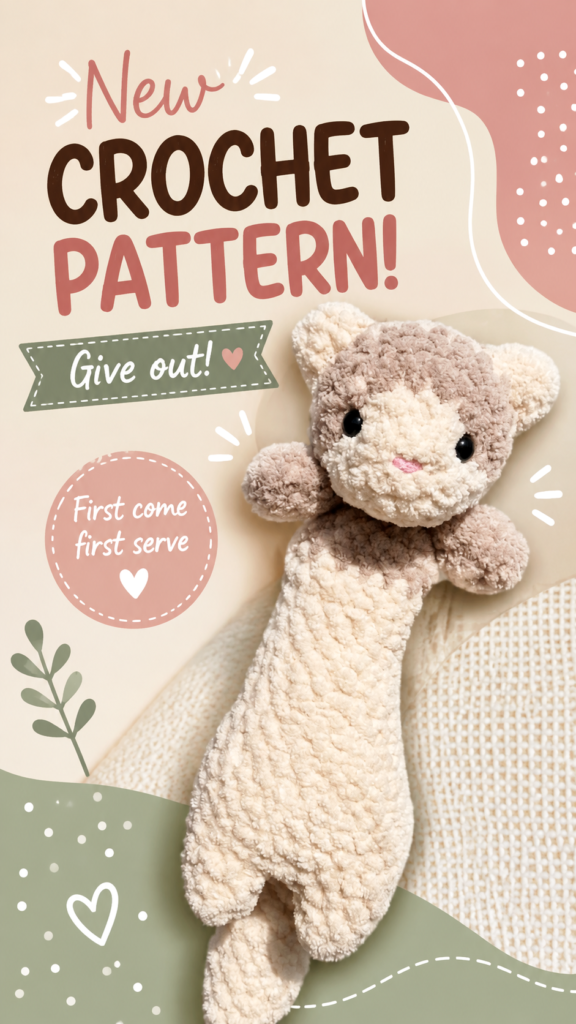
Few handmade projects are as instantly charming as a soft, cuddly amigurumi animal. With its fluffy texture, simple facial features, rounded shape, and huggable proportions, a handmade crochet animal can turn a ball of yarn into a memorable companion. Whether you enjoy making tiny plush toys, oversized stuffed animals, nursery decorations, or thoughtful handmade gifts, amigurumi crochet animals offer endless creative possibilities.
These adorable projects appeal to crocheters for many reasons. They can be customized with different colors, yarn textures, expressions, and accessories, making every finished piece feel unique. A bear can become a bunny with a few design changes, a neutral plushie can be transformed with colorful details, and a simple crochet pattern can become a personalized gift for a child, friend, or fellow animal lover.
Key Takeaways
- Amigurumi crochet animals are ideal for plush toys, gifts, and handmade decor.
- Soft and textured yarn can create an especially cozy, cuddly appearance.
- Simple shapes and expressive details make animal designs approachable for many skill levels.
- Changing colors, ears, facial features, or accessories creates endless variations.
- Good stuffing and secure construction help a crochet plushie keep its shape.
Why Amigurumi Crochet Animals Are So Popular
Amigurumi combines the creativity of crochet with the universal appeal of cute characters. Animal designs are particularly popular because they are familiar, flexible, and easy to personalize. From bears and cats to foxes, elephants, dogs, bunnies, and imaginative creatures, there is an animal design for almost every style and occasion.
The appeal often begins with the shape. Rounded heads, small ears, short limbs, and gentle expressions create a soft, playful look that works beautifully in handmade plush toys. Even a simple design can feel full of personality when the proportions are carefully balanced.
Another reason for the popularity of crochet animals is their versatility. A small amigurumi can become a keychain or desk decoration. A medium-sized plushie can be a handmade gift. A larger, extra-soft animal can become a comforting stuffed companion. The same basic crochet skills can be adapted to projects of many sizes.
Important: The most successful amigurumi projects balance appearance and construction. A cute design is important, but even tension, secure attachment points, smooth shaping, and appropriate stuffing are what help a handmade crochet animal look polished and last longer.
The Cozy Appeal of Soft and Textured Crochet Plushies
Texture plays a major role in the personality of a crochet animal. Smooth cotton yarn creates a neat, classic amigurumi finish, while fluffy or chenille-style yarn can produce a much softer and more plush appearance. The texture can influence the entire mood of the finished toy.
Choosing Yarn for a Soft Plush Look
When selecting yarn for an amigurumi animal, think about the final feel you want to achieve. A soft, fuzzy texture can make a simple animal look more like a traditional stuffed toy, while a tightly stitched smooth yarn gives the project more definition.
- Chenille or velvet-style yarn: Great for creating an ultra-soft, plush appearance.
- Cotton yarn: Useful for crisp stitches and detailed shaping.
- Acrylic yarn: A versatile choice with many available colors.
- Bulky yarn: Helpful when you want a larger project with fewer rounds.
Always consider the pattern’s recommended yarn and hook size before making substitutions. Changing the yarn weight can dramatically change the size and structure of the finished animal.
Texture Can Simplify the Design
A highly textured yarn can add visual interest without requiring complicated stitch patterns. The fluffiness itself creates depth and softness, allowing a simple body shape to feel warm and inviting. This is especially useful for beginners who want an impressive-looking result without adding too many advanced techniques.
How to Choose the Right Amigurumi Animal Pattern
The best crochet animal pattern is not always the most detailed or complicated one. It should match your current skill level, available time, preferred yarn, and intended use. A beginner may enjoy a simple bear made from basic shapes, while an experienced crocheter may prefer a more detailed pattern with shaping, color changes, and multiple accessories.
Consider Your Crochet Experience
Look at the techniques required before starting. Basic amigurumi patterns often use familiar stitches worked in continuous rounds. More advanced designs may include invisible decreases, detailed shaping, embroidery, colorwork, or complex assembly.
- Start with a design that uses stitches you already know.
- Choose a pattern with clear instructions and a manageable number of pieces.
- Practice new techniques on a small sample before beginning the main project.
- Take your time with assembly, since placement can greatly affect the final expression.
Start Simple and Build Confidence
A straightforward crochet animal can teach valuable amigurumi skills. Once you understand how to make a round head, body, ears, arms, and legs, you can adapt those shapes into many different animals. Small changes in ear shape, color placement, or facial embroidery can completely transform the character.
Expert Insight
Many adorable amigurumi crochet animals are built from surprisingly simple forms. Mastering a few well-made spheres, tubes, ovals, and flat shapes can give you the foundation to create an entire collection of unique plush characters.
Creating a Cute and Expressive Animal Face
The face is often the first thing people notice about a crochet animal. Small changes in eye placement, nose size, or mouth shape can make the same pattern look sleepy, cheerful, curious, shy, or playful.
For a soft and sweet expression, keep the features balanced and avoid placing them too far apart. Larger eyes can create a youthful appearance, while small embroidered details can give the design a handmade, minimalist style.
Experiment Before Securing Features
Before permanently attaching facial details, test the placement. Hold the eyes or temporary markers against the head and view the project from different angles. A tiny adjustment can make a noticeable difference.
Pro Tip: Take a quick photo of the face before securing the final features. A photograph can make it easier to notice uneven placement or proportions that are difficult to see while holding the project close to you.
Stuffing and Shaping Your Crochet Plushie
Stuffing is one of the most important finishing steps in amigurumi. Too little stuffing can leave the animal looking flat or floppy, while too much can stretch the stitches and distort the shape.
Add small amounts gradually and distribute them evenly. Pay attention to the neck, limbs, and lower body, especially in designs with long or narrow sections. Smooth out lumps as you go instead of trying to fix everything at the end.
Keep the Shape Consistent
A well-stuffed crochet animal should feel soft while still holding its intended form. The amount of filling may vary between sections. The head often needs enough support to maintain its rounded appearance, while arms and legs may look better with slightly less filling.
Avoid Visible Gaps
Using a smaller hook than you might normally choose for the same yarn can help create a denser fabric, depending on the pattern. Tight, even stitches reduce the chance of stuffing showing through and give the finished plushie a more professional appearance.
Fun Ways to Customize Amigurumi Crochet Animals
Customization is where a crochet animal truly becomes your own. Even when following a pattern closely, you can make thoughtful changes that create a one-of-a-kind finished piece.
Change the Color Palette
Try classic animal colors for a realistic feel, or choose soft pastels, bold brights, or neutral shades for a more decorative look. A limited palette can create a calm, modern aesthetic, while contrasting colors can make individual features stand out.
Add Small Accessories
A tiny scarf, bow, flower, hat, bag, or sweater can completely change the personality of an amigurumi animal. Accessories are also a fun way to use leftover yarn from previous projects.
Create a Collection
Once you find a style you enjoy, consider making a coordinated set of crochet animals. Keeping similar yarn textures and proportions while changing ears, colors, or facial details can produce a charming handmade collection.
Amigurumi Crochet Animals as Handmade Gifts
A handmade plush animal can be a meaningful gift because it combines creativity, time, and personal attention. Crochet animals are suitable for many occasions, from birthdays and baby showers to holidays and simple gestures of appreciation.
Personalization makes the gift even more memorable. Choose a recipient’s favorite colors, make an animal inspired by a beloved pet, or add a small accessory that reflects a hobby or personality.
When making a crochet toy for a very young child, consider the intended recipient carefully and follow appropriate safety practices for all components and embellishments. The design, construction, and finishing details should suit how the finished item will be used.
Common Mistakes to Avoid When Making Crochet Animals
Every crocheter learns through practice, and small mistakes are part of the process. Fortunately, many common amigurumi problems can be prevented with a little planning.
- Uneven tension: Try to maintain a consistent grip and pace throughout the project.
- Loose stitches: Follow the pattern’s guidance for hook size and fabric density.
- Overstuffing: Add filling gradually to avoid stretching the crochet fabric.
- Rushed assembly: Pin or position pieces before sewing them permanently.
- Uneven facial features: Check placement from the front and both sides before finishing.
Remember that handmade does not have to mean perfect. Slight differences can give an amigurumi animal character and make it feel genuinely unique.
Building Your Amigurumi Skills Over Time
One of the most rewarding things about making crochet animals is seeing your progress from one project to the next. Your first plushie may teach you how to work in rounds. The next may help you improve shaping. Later projects can introduce more detailed assembly and customization.
Keep notes about the yarn, hook size, and techniques you enjoy using. If you discover a particular combination that creates a soft, dense, attractive fabric, save that information for future projects.
You can also revisit older patterns with new skills. A design that once felt difficult may become much easier after you have completed several projects. Repeating familiar techniques builds confidence and gives you more freedom to experiment creatively.
At a Glance
- Choose a pattern that matches your current crochet skills.
- Select yarn based on the texture and look you want.
- Use careful stuffing to create a soft but well-defined shape.
- Take extra time positioning facial features and assembling pieces.
- Customize colors and accessories to make every plushie unique.
Conclusion: Turn Yarn Into a Handmade Animal Full of Personality
Amigurumi crochet animals are more than simple yarn projects. They are an opportunity to create something soft, expressive, and personal with your own hands. From a tiny beginner-friendly animal to a large textured plushie, every project offers a new way to explore color, texture, shape, and imagination.
The beauty of this craft is that you do not need an enormous collection of complicated techniques to make something adorable. A few basic crochet skills, thoughtful construction, and attention to the finishing details can go a long way. As your confidence grows, you can experiment with different animals, yarn textures, accessories, and custom features.
Whether you are making a cozy crochet plushie for yourself, preparing a handmade gift, or building an entire collection of cute animal friends, amigurumi gives you the freedom to create something truly special. Pick a pattern that inspires you, choose a yarn you love, and enjoy every step of bringing your next crochet animal to life.