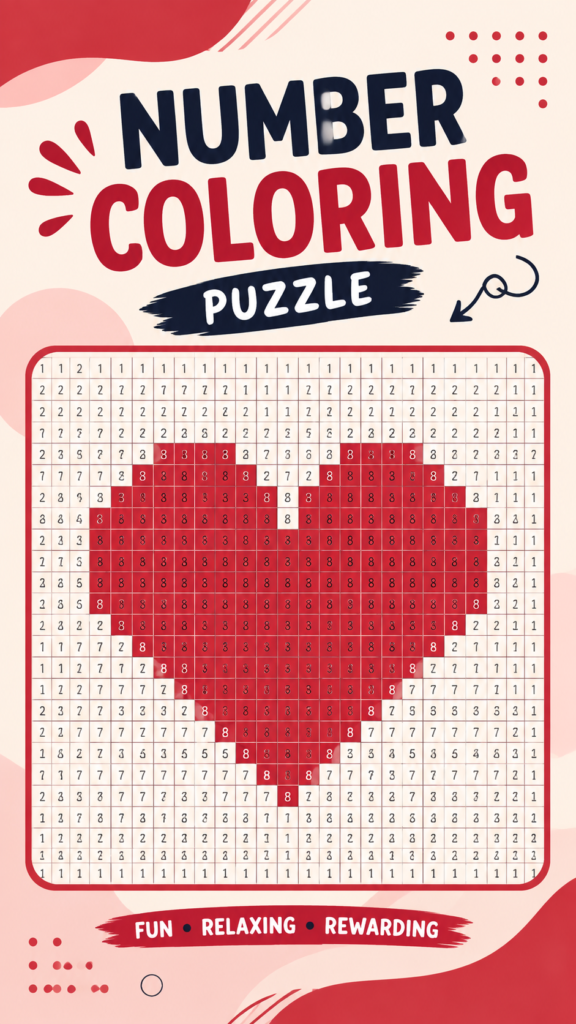
Tapestry crochet patterns and charts open up a creative world where simple stitches become bold pictures, geometric motifs, letters, and colorful designs. With the right chart, a grid of symbols or numbers can guide each color change and help you build a finished crochet piece one stitch at a time. From modern wall hangings and colorful bags to custom blankets and playful pixel-style motifs, tapestry crochet gives makers a structured yet imaginative way to create striking colorwork.
The appeal of crochet charts is easy to understand. Instead of relying only on written instructions, you can follow a visual map that shows where colors should appear. This makes it possible to transform a small square grid into a recognizable image, shape, or repeating pattern. Whether you are new to tapestry crochet or ready to design your own crochet colorwork, learning how to read charts can make the process more enjoyable and predictable.
Key Takeaways
- Tapestry crochet charts provide a visual guide for changing colors stitch by stitch.
- Grid-based patterns are useful for geometric motifs, lettering, pixel-style art, and custom images.
- Carrying unused yarn neatly is an important part of creating clean colorwork.
- Simple charts are ideal for beginners learning to manage multiple yarn colors.
- Consistent tension helps preserve the shape and clarity of a crochet design.
- Once you understand the basics, you can create your own tapestry crochet charts.
What Is Tapestry Crochet?
Tapestry crochet is a colorwork technique that allows two or more yarn colors to be used within the same row or round. One color is active while another color can be carried along and hidden inside the stitches. By changing colors at specific points, you can build patterns directly into the fabric.
The technique is especially popular for creating graphic designs. Squares, stripes, hearts, flowers, animals, words, symbols, and abstract shapes can all be translated into a crochet chart. Because the design develops gradually across a grid, the finished piece often has a bold, pixel-inspired appearance.
Unlike surface embroidery or sewn-on appliques, tapestry crochet creates the design as part of the fabric itself. This makes it a useful technique for projects where you want the image or pattern to feel integrated into the crochet structure.
Why Crochet Charts Work So Well for Colorwork
A tapestry crochet chart turns a visual idea into an organized stitch plan. Each square usually represents one stitch, while each color indicates which yarn should be used in that location. Depending on the chart and pattern style, you may work from the bottom upward, from right to left, or back and forth across the rows.
This visual approach is helpful because you can see the full design before you begin. You know where the main motif will appear, where the colors will change, and how the finished image is expected to look. For many crocheters, this makes complex colorwork feel less intimidating.
Charts are also flexible. A single grid can be adapted to different crochet projects as long as the stitch structure and proportions remain appropriate. A small motif might become a coaster, pouch decoration, wall hanging, or part of a larger blanket.
Important: The chart is your visual roadmap, but tension still controls how the design looks in real life. Even a perfectly planned tapestry crochet chart can appear distorted if the stitches are too tight, too loose, or inconsistent.
How to Read Tapestry Crochet Pattern Charts
Reading a crochet chart becomes much easier once you understand the basic structure. Most colorwork charts are arranged as a grid. Every square represents a stitch position, and the colors or symbols tell you what to do at that point.
Start by Checking the Direction
Before working the first row, look for instructions that explain how the chart should be read. In flat crochet, rows are often worked back and forth, so the reading direction may alternate. In crochet worked in the round, the chart may be read in a single consistent direction.
Never assume that every chart works exactly the same way. A quick check at the beginning can prevent an entire design from being worked backward or mirrored by mistake.
Understand What Each Square Represents
In many tapestry crochet patterns, one square equals one stitch. This creates a direct relationship between the chart and the fabric. If a row contains ten red squares followed by five white squares, the color sequence may be worked as ten stitches in red followed by five stitches in white.
Some patterns use symbols instead of colored squares. Others may include letters, numbers, or a legend to identify the yarn colors. Always check the key before starting.
Use the Chart to Track Color Changes
The most important job of a tapestry crochet chart is showing when to switch yarn colors. Many crocheters find it helpful to mark completed rows with a removable line marker, ruler, or digital highlighting tool. This keeps your place visible and reduces the chance of repeating or skipping stitches.
- Identify the first color sequence for the row.
- Count the stitches carefully as you work.
- Change color at the designated stitch position.
- Carry or manage the inactive yarn according to the technique you are using.
- Check the completed row against the chart before moving on.
Choosing the Right Tapestry Crochet Chart
Not every crochet chart is equally suitable for every skill level. A simple design with large blocks of color is usually easier to manage than a highly detailed image with frequent color changes.
Beginner-Friendly Charts
For beginners, look for charts with only two colors and long stretches between changes. Large geometric motifs, simple hearts, stripes, and basic pixel patterns are excellent starting points. They allow you to focus on the mechanics of carrying yarn and changing colors without constantly stopping.
Intermediate Charts
Once you are comfortable with color changes, try designs with smaller motifs, more frequent transitions, or three or more colors. At this stage, maintaining neat tension becomes increasingly important because the carried yarn may become visible through lighter stitches.
Advanced Crochet Graphs
Detailed charts may feature custom illustrations, lettering, complex shapes, or many color changes in a single row. These projects often require careful yarn management and close attention to the chart. They can be rewarding, but it is wise to build confidence with simpler patterns first.
Expert Insight
The best tapestry crochet chart is not always the most detailed one. A clear design with strong color contrast often produces a more recognizable finished motif than a complicated chart with tiny, crowded sections.
The Importance of Yarn Choice and Color Contrast
Yarn selection can dramatically change the appearance of a tapestry crochet project. Smooth yarn with clear stitch definition usually makes charted designs easier to see. Highly textured or fuzzy yarn can blur the edges of a motif, especially when the design contains small details.
Color contrast is equally important. When neighboring colors are too similar, the pattern may become difficult to recognize. Strong contrast helps the charted design stand out and makes individual shapes easier to identify.
Consider testing your chosen colors together before starting a large project. Place the yarn strands side by side, then look at them from a distance. If the colors blend together visually, the chart may lose some of its clarity when crocheted.
Pro Tip: Take a quick photo of your yarn colors in grayscale. If the shades still appear clearly different, the finished tapestry crochet motif will usually have stronger visual definition.
How to Keep Tapestry Crochet Tension Even
Even tension is one of the biggest challenges in tapestry crochet. When yarn is carried inside the stitches, it can pull the fabric inward if held too tightly. On the other hand, very loose carried strands may create bulky stitches or become visible where they are not intended to show.
The goal is to keep the carried yarn relaxed enough that the crochet fabric can lie flat while still being controlled inside the stitches. This often takes practice.
- Keep your active yarn flowing naturally rather than pulling it tightly.
- Gently stretch the completed section occasionally to check for puckering.
- Maintain a consistent stitch height and yarn tension.
- Use a hook size that creates comfortable, even stitches.
- Practice on a small swatch before beginning a large chart.
Popular Projects for Tapestry Crochet Patterns
One of the best things about tapestry crochet is how many projects can benefit from chart-based colorwork. A motif can be small and decorative or large enough to become the centerpiece of an entire handmade item.
Crochet Bags and Pouches
Tapestry crochet is a popular choice for bags because the technique can create bold patterns that remain visible across the finished fabric. Geometric motifs, repeating borders, and personalized designs work particularly well on pouches, totes, and small accessories.
Blankets and Cushions
Larger projects provide more space for detailed crochet graphs. Pixel-style designs can be expanded across blankets, while cushions are ideal for centered motifs and decorative front panels. When choosing a large chart, remember that small stitch variations can become more noticeable over a wide area.
Wall Hangings and Home Decor
Charted crochet designs can also become decorative art. A bold motif can be framed by a simple border or turned into a hanging panel. This is a great option for makers who enjoy colorwork but do not necessarily want to create a wearable item.
Custom Motifs and Personalized Designs
Once you understand how a crochet grid works, you can begin experimenting with your own motifs. Initials, simple illustrations, abstract shapes, and repeating symbols can all be planned on graph paper or a digital grid.
How to Create Your Own Crochet Chart
Designing a tapestry crochet chart can be as simple as filling in squares on a grid. Start with a small canvas and use one square for each stitch. Avoid beginning with too much detail. A simple silhouette is often easier to crochet and recognize than a highly complex drawing.
Begin by deciding on the overall dimensions. If your motif is twenty stitches wide, create a grid with twenty columns. Then sketch the main shape using a limited color palette. Once the design looks balanced, count the stitches in each row to make sure the chart can be worked consistently.
- Choose the size of your crochet grid.
- Sketch the main motif using large, simple shapes.
- Limit the number of colors at first.
- Check the chart for awkward single-stitch gaps or isolated sections.
- Test the design with a small crochet sample.
- Adjust the chart after seeing how the stitches affect the proportions.
The last step is important because crochet stitches are not always perfect squares. Depending on the stitch and technique, the finished fabric may be wider or taller than expected. Testing allows you to adjust the design before committing to a larger project.
Common Tapestry Crochet Mistakes to Avoid
Learning from common mistakes can save time and yarn. Most issues are easy to correct once you recognize what is causing them.
Pulling the Carried Yarn Too Tight
This can cause the fabric to narrow or pucker. Keep the carried yarn relaxed and check the shape of the work regularly.
Ignoring the Chart Direction
Always confirm whether rows alternate direction or remain consistent. A reversed row can change the appearance of an entire motif.
Using Colors with Too Little Contrast
Even a well-designed crochet chart can look unclear when adjacent colors are visually similar. Choose combinations that separate the motif from the background.
Trying to Crochet Too Fast
Colorwork rewards careful counting. Slowing down during frequent color changes can prevent mistakes that would take much longer to fix later.
Quick Points
- Choose a clear, easy-to-read crochet chart.
- Start with a limited number of colors.
- Track each row to avoid losing your place.
- Keep carried yarn relaxed for a smooth fabric.
- Test new designs with a small swatch first.
Conclusion: Turn Crochet Charts Into Colorful Handmade Art
Tapestry crochet patterns and charts offer a practical and creative way to bring colorwork designs to life. A simple grid can become a bold motif, a personalized image, or a repeating pattern that transforms an ordinary crochet project into something visually striking.
The key is to begin with a chart that matches your current skill level. Learn how to read the grid, practice changing colors, and pay close attention to tension. Small projects are perfect for building confidence, while larger and more detailed crochet graphs can become exciting long-term challenges.
With patience and a little practice, tapestry crochet becomes less about counting every single stitch and more about watching a design slowly appear in your hands. Each completed row adds another piece to the picture, making chart-based crochet both structured and deeply satisfying. Whether you are following a ready-made pattern or designing your own colorwork motif, the possibilities are limited mainly by the size of the grid and your imagination.
Tags
Tapestry Crochet Crochet Patterns Crochet Charts Colorwork Crochet Pixel Crochet Crochet Graph Yarn Crafts